Showing posts with label Ven. Pope Pius XII. Show all posts

Thursday, April 12, 2012

Byzantine Psalmody Index

This is the base page for my series/project on Byzantine psalmody.  Below are links to posts in the series, other posts on sacred music, a list of abbreviations for works I use throughout the series, and links to other Church documents on sacred music.

Posts:
  1. Why Should I Care About Byzantine Psalmody? (4/12/12)
  2. A Quick History and the Notes (4/12/12) 
  3. The Ten Basic Neumes (Part 1) (4/22/12)

Abbreviations:

BM = Byzantine Music in Theory and in Practice by Prof. Savas I. Savas, trans. Nicholas Dufault, Boston: Hercules Press, 1965.
BP = Byzantine Prosomia: The Chanter's Companion by Holy Transfiguration Monastery (2005).
DMS = De musica sacra et sacra liturgia, Instruction by the Sacred Congregation for Rites (9/3/1958)
GMEOC = A Guide to the Music of the Eastern Orthodox Church by N. Lungu, G. Costea, and I. Croitoru, trans. Nicholas K. Apostola, Brookline: Holy Cross Orthodox Press, 1984.
GTM = Great Theory of Music by Chrysanthos of Madytos, trans. Katy G. Romanou (1973).
MSe = Musicae Sacrae, Encyclical by Ven. Pope Pius XII (12/25/1955)
MSm = Musicam Sacram, Instruction by the Sacred Congregation for Rites (3/5/1967)
SC = Sacrosanctum Concilium, Constitution by the Second Vatican Council (Vatican II) (12/4/1963)
TlS = Tra le Sollecitudini, Motu Proprio by Pope St. Pius X (11/22/1903)

Other related documents:

Divini Cultus, Apostolic Constitution by Pope Pius XI (12/20/1929)
Jubilate Deo by the Sacred Congregation for Divine Worship (4/14/1974)
Mediator Dei, Encyclical by Ven. Pope Pius XII (11/20/1947)
Voluntatis Obsequens, Letter by the Sacred Congregation for Divine Worship (4/14/1974)

For more documents on the liturgy, see my links to Church documents on the sacraments.

Pope St. Gregory the Great, pray for us!


St. Ephraim, Harp of the Holy Spirit, pray for us!

Why Should I Care About Byzantine Psalmody?

Χριστος ανεστι!  It is well-known that the Second Vatican Council declared that Gregorian chant is "specially suited to the Roman liturgy: therefore, other things being equal, it should be given pride of place in liturgical services" (SC 116).  This does not mean that other types of music are completely banned from the liturgy (as some, including myself at times, try to claim), but it does mean that there is no place for completely doing away with Gregorian chant.

Why is Gregorian chant so suited to the liturgy?  For one, it was specifically created for the liturgy.  Its original purpose is for the glorification of God through the divine rites.  It is a music set apart.  Second, it keeps the liturgical texts prominent.  The chant involves simple music which serves to highlight the text rather than hiding it in auditory flourishes.  This is keeping with Pope St. Pius X's description of sacred music: "Since its principal office is to clothe with suitable melody the liturgical text proposed for the understanding of the faithful, its proper aim is to add greater efficacy to the text" (TlS 1).  Third, it involves melodies which can be easily passed on and learned by many, even those without extensive musical training.

The one catch about Gregorian chant having pride of place is that it has it only in the Roman liturgy.  Then what holds pride of place in the liturgies of the other rites?  Their own liturgical chants.  One such chant is Byzantine psalmody.

This sacred, liturgical music has many names: psalmody, psaltic music, Byzantine chant, ecclesiastical music.  In order to show its Eastern origin and a common name for it, I have decided to use the term Byzantine psalmody to describe this music.

Why should one study this Eastern music rather than solely Gregorian chant?  My answer is simple: so the Church may become more bipulmonary, breathing more and more with both lungs of the Church, the East and the West (according to the image of Pope Bl. John Paul II).  Not only that, but Ven. Pope Pius XII specifically endorsed the chants of the Eastern Church.  "Among the oldest and most outstanding monuments of sacred music," the Holy Father wrote, "the liturgical chants of the different eastern rites hold a highly important place" (MSe 52).  These chants of the Eastern Church are part of the great treasures held by Oriental Christianity, treasures "which must be guarded and defended to prevent not only their complete disappearance, but also any partial loss or distortion" (MSe 51).

Byzantine psalmody also shares the reasons Gregorian chant has for its being suitable for the liturgy.  First, it is a sacred music, set apart for the liturgy from its origins.  Second, it is dedicated to enhancing the liturgical texts.  As Rev. Fr. Nicholas K. Apostola wrote in the introduction to a text on Byzantine psalmody, "The music is there to serve the words; the words do not serve the music...The words of the hymn are the means by which we contemplate God, pray to God, and learn about God.  The music is but a 'skin,' if you will, surrounding the words of the hymn" (GMEOC xiii).  Third, many of the melodies of Byzantine psalmody are easy to teach many and to picked up on by even the untrained in music.

The one caveat with this third characteristic, for both Gregorian chant and Byzantine psalmody, is that, in addition to many simple melodies the untrained can easily grasp, there are more complex chants that are part of the tradition which involve more extensive training for singers to grasp.  That is the main reason for this series of posts which I will be embarking on: to give some training in Byzantine psalmody so that the more difficult chants to not disappear from the tradition or remain unknown in the West.  I do not claim to be an expert in any respect on Byzantine psalmody: I have merely studied a number of books on the subject and attempted to distill some of the main aspects of the notation and method.  If I make any mistakes during this endeavour, please let me know.

In conclusion, my goal of this series is this: to open up to more Christians of the Western Church the sublime treasures of Byzantine psalmody.  If you have any questions, comments, or suggestions, do not hesitate to contact me.  Thank you for reading, and God Bless.

Christ is risen from the dead, trampling down death by death, and upon those in the tombs bestowing life.

St. Ephraim, Harp of the Holy Spirit, pray for us!

 
Pope St. Gregory the Great, pray for us!


Nota Bene: The three reasons for Gregorian chant's suitability to the liturgy are derived by me from Church documents, though an explicit listing of three reasons is not found in any of them, to my knowledge: that set of criteria was compiled by me, and I take responsibility for any failing in these criteria.  The abbreviations, along with other information, can be found at the base page for this series.
 

Text ©2012 Brandon P. Otto.  Licensed via CC BY-NC.  Feel free to redistribute non-commercially, as long as credit is given to the author.


Saturday, January 7, 2012

Opera Consecrata: Novus Ordo Mass

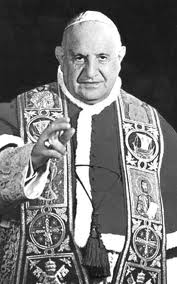
Pope John Paul I at his Papal Inauguration Mass

Today I am beginning a new series: Opera Consecrata (Consecrated Works).  In this series, I will attempt to look at the liturgies of the Church throughout the world, both those formerly celebrated and those currently celebrated.  I will look at the liturgies of all rites, not just the Roman Rite.  My goal is to provide a short history of each liturgy along with a very short description of the liturgy, along with aspects that make each one unique.  I hope the series is informative and interesting, and I hope it brings us all (myself included) a deeper appreciation of both the liturgy and the diversity within the Catholic Church.

[Etymological note: The name of this series is etymologically related to the word "liturgy": "liturgy" comes from the Greek λειτουργια (leitourgia), which itself is made from the words λαος (laos, people) and εργον (ergon, work).  Since the Greek word for liturgy contains the word for work, I decided to make the name of the series based on the Latin word for work (opus in the singular, opera in the plural), and since in all liturgies bread and wine are consecrated and become the Body and Blood of Christ, I decided to include the Latin word for consecrated (consecrata in this form).]


The first liturgy I will look at is the liturgy that I (and probably most of my readers) grew up with: the Novus Ordo Mass, or the Mass of Paul VI (Pauline Mass), which is presently the Ordinary Form of the liturgy for the Roman (Latin) Rite.  The term "Novus Ordo" means "new order," and it refers to the Ordo Missae, the Order of the Mass (that is, the parts of the Mass that do not change from day to day).  In referring to the older form of the Mass (the Tridentine Mass), the term Ordo Missae was used, so, to eliminate confusion, the term novus Ordo Missae was used to refer to the new Mass when it was still being revised.  Eventually, the term became shortened to Novus Ordo, and now it is used to refer to the Mass of Paul VI in its entirety.

The revision of the Tridentine Mass into the Novus Ordo Mass began slowly, most prominently with Ven. Pope Pius XII's changes to the liturgies of Passion (Palm) Sunday, the Easter Triduum, and the Vigil of Pentecost in 1955.  Pope Bl. John XXIII, who called the Second Vatican Council, made some changes when he promulgated the 1962 Missal (which was still the Tridentine Mass), including removing the word "faithless" (perfidis) from the Good Friday prayer for the Jews and adding the name of St. Joseph to the Roman Canon (now Eucharistic Prayer I), a part of the Mass that had remained almost completely unchanged since Pope St. Pius V promulgated the Tridentine Mass in 1570 (and before that, the Canon had been mostly unchanged since the time of Pope St. Gregory the Great in the late 500s, if not even earlier).

The creation of the Novus Ordo began in earnest at the Second Vatican Council (1962-1965), whose Constitution on the Sacred Liturgy, Sacrosanctum Concilum, called for a reform of the liturgy:

In order that the Christian people may more certainly derive an abundance of graces from the sacred liturgy, holy Mother Church desires to undertake with great care a general restoration of the liturgy itself. For the liturgy is made up of immutable elements divinely instituted, and of elements subject to change. These not only may but ought to be changed with the passage of time if they have suffered from the intrusion of anything out of harmony with the inner nature of the liturgy or have become unsuited to it.

In this restoration, both texts and rites should be drawn up so that they express more clearly the holy things which they signify; the Christian people, so far as possible, should be enabled to understand them with ease and to take part in them fully, actively, and as befits a community (21).

In particular, the Council Fathers called for the rites of the Mass to be simplified while at the same time "[restoring] to the vigor which they had in the days of the holy Fathers" other elements which had "suffered injury through the accidents of history," the selection of Biblical readings to be expanded in order to read to the people "a more representative portion of the Holy Scriptures," the homily to be a more esteemed part of the Mass, the "prayer of the faithful" to be restored, the use of the vernacular to be expanded, the laity's frequent reception of the Eucharist to be "strongly commended," and the practice of concelebration to be extended (cf. Sacrosanctum Concilium 50-58).

All this was done in the years following the Council.  The first public celebration of the Novus Ordo was in the Sistine Chapel in October 1967 with the Synod of Bishops present.  Following the celebration, the Synod voted on the new liturgy, with most approving it, although a slightly smaller amount approved it with reservations.  Thus more revisions followed until Pope Paul VI issued the Apostolic Constitution Missale Romanum on April 3, 1969, promulgating the Novus Ordo Mass.  This missal, the first edition typica of the Novus Ordo, was the Missal of 1970; over the years, two more typical editions were promulgated, that of 1975, and that of 2000 (or 2002 for the Latin), the latter of which (the third edition typica) is the missal in use today.

In describing what the Second Vatican Council called for in a new liturgy, I mentioned some aspects of the Novus Ordo, but I'd like to explain it a bit more.  Of course, this liturgy was written in Latin, since it is based on the Tridentine Mass, which was also in Latin (it is for the Latin Rite, after all).  The liturgy is split into two main sections, termed the Liturgy of the Word (which lasts until the Prayer of the Faithful, also known as the General Intercessions) and the Liturgy of the Eucharist (which starts with the Offertory).  The former includes opening prayers, the Penitential Rite, more opening prayers (including the Gloria on certain days), the Biblical readings, the homily, the Creed on certain days, and the Prayers of the Faithful.  The latter includes the Offertory, the Preface of the Eucharistic Prayer, the Sanctus, the Eucharistic Prayer, the Pater Noster, the Sign of Peace, the Agnus Dei and the preparation for communion (the Ecce Agnus Dei and the Non Sum Dignus), Holy Communion, the concluding prayers, and the Dismissal.

Many of the more special parts of the Novus Ordo are its differences from the Tridentine Mass (which maybe I should have discussed first).  Some of these were mentioned above when discussing Sacrosanctum Concilium, but others include the addition of three more Eucharistic Prayers besides the Canon, the possibility of the priest's orientation towards the people rather than towards the altar (this latter is referred to as ad orientum, towards the East, based on how churches used to be built), almost all of the priest's prayers being audible, the possibility of using the vernacular language rather than Latin, the peoples' reception of communion under both species, the expansion of the Sign of Peace to the people, and a recommended translocation of the tabernacle (a fancy way of moving the tabernacle off of the main altar).

As I mentioned before, a lot of the particular aspects of the Novus Ordo Mass are related to their differences from the Tridentine Mass.  It is also difficult to discuss unique aspects of this liturgy when it is the first one being discussed.  Some of its changed aspects are actually common in other liturgies (not counting the Tridentine Mass), such as communion under both species (though other liturgies often use intinction, which I will explain when it comes up later), the Prayers of the Faithful, and the use of the vernacular.  Some aspects that are closer to being unique are placement of the Penitential Rite so early in the liturgy (I think it is often much closer to the reception of the Eucharist), the greater prevalence of the priest's facing the people (although the ancient Liturgy of St. James, which I will discuss later, also included this), the small number of inaudible prayers on behalf of the priest, and the greater selection of Biblical readings (especially the use of the Old Testament).

[A short sidebar on the Biblical readings: at most Novus Ordo Masses, there is one reading usually from the Old Testament (it may also be from the Acts of the Apostles or the Revelation of St. John), a responsorial psalm that involves the faithful's responses (rarely, this is actually not a psalm, such as the use of the song of Miriam from Exodus 15 during the Easter Vigil), and a reading from the Gospel.  On Sundays and other greater feasts, a reading from the Epistles of the New Testament is included before the Gospel reading.  In many other liturgies, including the Tridentine Mass, there is usually only a reading from an Epistle or other New Testament book, a short responsory that often does not involve the faithful, and the Gospel reading.]

In conclusion, the Novus Ordo Mass, or the Mass of Paul VI, is a Latin liturgy first promulgated in 1969 which is the present Ordinary Form of the liturgy in the Roman Rite.  I apologize if this post was too technical or dry: if you have any suggestions or critiques, please let me know in the comments or in an e-mail.

The latest English translation of the Novus Ordo (the translation whose use just began this liturgical year) can be found here.  The entire Roman Missal of 2002 (the third edition typica) in Latin can be found here, with the Order of the Mass beginning here (sorry for the difficult formatting on this site: if you have an easier-to-use site, please let me know). 

I hope this post was helpful to you.  Thank you for reading, and God Bless.

Pope Bl. John XXIII, Opener of the Second Vatican Council, pray for us!


Nota Bene: Most of my information for this post comes from Wikipedia's posts on the Novus Ordo and the Roman Canon.  I also looked at AskACatholic for a bit more information.
 

Text ©2012 Brandon P. Otto.  Licensed via CC BY-NC.  Feel free to redistribute non-commercially, as long as credit is given to the author.


Saturday, December 31, 2011

Church Documents: Miscellaneous

This is a collection of links to English translations of Church documents found on-line that relate to any topic I could not find a way to place under any other topic.  It is part of my Church Documents project.

Nota Bene: If you have any good ideas on where to place these amid the other pages of my project, please let me know.

Miscellaneous

?/?/1455: Romanus pontifex ad illorum by Pope Callistus III
Bull: On the Ruined Churches of Cagliari

3/23/1534: [Untitled] by Pope Clement VII
Bull: Against the Divorce of Queen Katherine of England

2/24/1581: Inter Gravissimas by Pope Gregory XIII
Bull: Establishment of the Gregorian Calendar

12/25/1775: Inscrutabile by Pope Pius VI
Encyclical: On the Problems of the Pontificate

8/1/1854: Apostolicae Nostrae Caritatis by Pope Bl. Pius IX
Encyclical: Urging Prayers for Peace

4/27/1859: Cum Sancta Mater Ecclesia by Pope Bl. Pius IX
Encyclical: Pleading for Public Prayer

10/27/1867: Levate by Pope Bl. Pius IX
Encyclical: On the Afflictions of the Church

6/4/1871: Beneficia Dei by Pope Bl. Pius IX
Encyclical: On the Twenty-Fifth Anniversary of His Pontificate

8/5/1871: Saepe Venerabilis Fratres by Pope Bl. Pius IX
Encyclical: On Thanksgiving for Twenty-Five Years of Pontificate

4/1/1888: Quod Anniversarius by Pope Leo XIII
Encyclical: On His Sacerdotal Jubilee


6/20/1894: Praeclara Gratulationis Publicae by Pope Leo XIII
Apostolic Letter: The Reunion of Christendom

10/4/1903: E supremi by Pope St. Pius X
Encyclical: On the Restoration of All Things in Christ [Theme of Pontificate]

12/16/1910: The Scapular Medal by the Holy Office
Decree

12/20/1929: Mens Nostra by Pope Pius XI
Encyclical: On the Promotion of the Spiritual Exercises

12/23/1929: Quinquagesimo Ante by Pope Pius XI
Encyclical: On His Sacerdotal Jubilee

10/27/1940: Norunt Profecto by Ven. Pope Pius XII
Motu Proprio: Prescribing for the 24th of the Next Month of November the Celebration in All the World of Holy Sacrifices and Public Prayers, for the Present Necessities of the Human Race

4/15/1945: Communium Interpretes Dolorum by Ven. Pope Pius XII
Encyclical: Appealing for Prayers for Peace During May

6/29/1959: Ad Petri Cathedram by Pope Bl. John XXIII
Encyclical: On Truth, Unity, and Peace, in a Spirit of Charity [First Encyclical]

4/29/1965: Mense Maio by Pope Paul VI
Encyclical: On Prayers During May for Preservation of Peace

11/1/1970: Laudis Canticum by Pope Paul VI
Apostolic Constitution: Promulgating the Revised Book of the Liturgy of the Hours

2/2/1971: General Instruction of the Liturgy of the Hours by the Congregation for Divine Worship

3/4/1979: Redemptor Hominis by Pope Bl. John Paul II
Encyclical: At the Beginning of His Papal Ministry

11/28/1982: Ut Sit by Pope Bl. John Paul II
Apostolic Constitution: By Which Opus Dei Is Erected as the Catholic Church's First Personal Prelature

4/21/1986: Spirituali Militum Curae by Pope Bl. John Paul II
Apostolic Constitution: On Military Ordinariates
 
[pp. 16-19 of PDF]

3/17/1999: Stella Maris by Pope Bl. John Paul II
Motu Proprio: On the Maritime Apostolate

6/29/1999: Letter Concerning Pilgrimage to Places Linked to the History of Salvation by Pope Bl. John Paul II

7/14/2000: Ardens Felicitatis by the Congregation for the Doctrine of the Faith
Instruction: On Prayers of Healing

5/31/2005: The Ancient and Venerable Basilica by Pope Benedict XVI
Motu Proprio: For the Basilica of St. Paul-Outside-the-Walls and For Its Extra-Territorial Complex

11/9/2005: Totius Orbis by Pope Benedict XVI
Motu Proprio: For the Coordination of Pastoral Activities and Initiatives at the Basilica of St. Francis and of St. Mary of the Angels in Assis

Church Documents: Social Doctrine

 This is a collection of links to English translations of Church documents relating to the Church's social doctrine found on-line. It is part of my Church Documents project.

General

Economics

11/1/1745: Vix Perveni by Pope Benedict XIV
Encyclical: On Usury and Other Dishonest Profit

5/15/1891: Rerum Novarum by Pope Leo XIII
Encyclical: On Capital and Labor

5/15/1931: Quadragesimo Anno by Pope Pius XI
Encyclical: On Reconstruction of the Social Order

10/2/1932: Nova Impendent by Pope Pius XI
Encyclical: On the Economic Crisis

5/14/1971: Octogesima Adveniens by Pope Paul VI
Apostolic Letter: On the Occasion of the Eightieth Anniversary of the Encyclical Rerum Novarum

9/14/1981: Laborem Exercens by Pope Bl. John Paul II
Encyclical: On Human Work on the Ninetieth Anniversary of Rerum Novarum

5/1/1991: Centesimus Annus by Pope Bl. John Paul II
Encyclical: On the Hundredth Anniversary of Rerum Novarum

12/30/2010: For the Prevention and Countering of Illegal Activities in the Area of Monetary and Financial Dealings by Pope Benedict XVI

Marginalized

5/29/1537: Sublimus Dei by Pope Paul III
Declaration: On the Enslavement and Evangelization of Indians

12/3/1839: In Supremo Aposolatus by Pope Gregory XVI
Apostolic Constitution: Condemning the Slave Trade

11/20/1890: Catholicae Ecclesiae by Pope Leo XIII
Encyclical: On Slavery in the Missions

1/6/1946: Quemadmodum by Ven. Pope Pius XII
Encyclical: Pleading for the Care of the World's Destitute Children

7/14/1948: Meminisse Iuvat by Ven. Pope Pius XII
Encyclical: On Prayers for the Persecuted Church

8/1/1952: Exsul Familia Nazarethana by Ven. Pope Pius XII
Apostolic Constitution: On Refugees and Migrants

Peace

11/1/1914: Ad beatissimi apostolorum by Pope Benedict XV
Encyclical: Appealing for Peace

5/23/1920: Pacem, Dei Munus Pulcherrimum by Pope Benedict XV
Encyclical: On Peace and Christian Reconciliation

12/23/1922: Ubi Arcano Dei Consilio by Pope Pius XI
Encyclical: On the Peace of Christ in the Kingdom of Christ

12/18/1947: Optatissima Pax by Ven. Pope Pius XII
Encyclical: On Prescribing Public Prayers for Social and World Peace

7/19/1950: Summi Maeroris by Ven. Pope Pius XII
Encyclical: On Public Prayers for Peace

12/6/1950: Mirabile Illud by Ven. Pope Pius XII
Encyclical: On the Crusade of Prayer for Peace

Politics

12/1/1154: Quantum Praedecessores by Pope Bl. Eugene III
Bull: Summons to a Crusade

1/19/1860: Nullis Certe Verbis by Pope Bl. Pius IX
Encyclical: On the Need for Civil Sovereignty

12/27/1878: Quod Apostolici Muneris by Pope Leo XIII
Encyclical: On Socialism

6/29/1881: Diuturnum by Pope Leo XIII
Encyclical: On the Origin of Civil Power

11/1/1885: Immortale Dei by Pope Leo XIII
Encyclical: On the Christian Constitution of States

1/18/1901: Graves de communi re by Pope Leo XIII
Encyclical: On Christian Democracy

3/19/1937: Divini Redemptoris by Pope Pius XI
Encyclical: On Atheistic Communism

3/12/1950: Anni Sacri by Ven. Pope Pius XII
Encyclical: On a Program for Combatting Atheistic Propaganda Throughout the World

Society/General

4/21/1878: Inscrutabili Dei Consilio by Pope Leo XIII
Encyclical: On the Evils of Society

6/20/1888: Libertas by Pope Leo XIII
Encyclical: On Human Liberty

1/10/1890: Sapientiae Christianae by Pope Leo XIII
Encyclical: On Christians as Citizens

10/20/1939: Summi Pontificatus by Ven. Pope Pius XII
Encyclical: On the Unity of Human Society

5/15/1961: Mater et Magistra by Pope Bl. John XXIII
Encyclical: On Christianity and Social Progress

4/11/1963: Pacem in Terris by Pope Bl. John XXIII
Encyclical: On Establishing Universal Peace in Truth, Justice, Charity, and Liberty

3/26/1967: Populorum Progressio by Pope Paul VI
Encyclical: On the Development of Peoples

7/15/1971: Amoris Officio by Pope Paul VI
Pontifical Letter: Establishing the Pontifical Council "Cor Unum" for Promoting Human and Christian Development

11/22/1981: Familiaris Consortio by Pope Bl. John Paul II
Apostolic Exhortation: On the Role of the Christian Family in the Modern World

12/30/1987: Sollicitudo Rei Socialis by Pope Bl. John Paul II
Encyclical: For the Twentieth Anniversary of Populorum Progressio

3/25/1995: Evangelium Vitae by Pope Bl. John Paul II
Encyclical: On the Value and Inviolability of Human Life


6/29/2009: Caritas in Veritate by Pope Benedict XVI
Encyclical: On Integral Human Development in Charity and Truth

11/11/2012: Intima Ecclesiae Natura by Pope Benedict XVI
Motu Proprio: On the Service of Charity

Specific/National

1/13/1435: Sicut Dudum by Pope Eugene IV
Declaration: Against the Enslaving of Black Natives from the Canary Islands

1/8/1455: Romanus Pontifex by Pope Nicholas V
Bull: Granting the Portuguese a perpetual monopoly in trade with Africa

5/4/1493: Inter Caetera by Pope Alexander VI
Bull: Division of the undiscovered world between Spain and Portugal

4/13/1791: Charitas by Pope Pius VI
Encyclical: On the Civil Oath in France

6/9/1832: Cum Primum by Pope Gregory XVI
Encyclical: On Civil Obedience [Poland]

5/17/1835: Commissum Divinitus by Pope Gregory XVI
Encyclical: On Church and State [Switzerland]

3/25/1847: Praedecessores Nostros by Pope Bl. Pius IX
Encyclical: On Aid for Ireland

6/18/1859: Qui Nuper by Pope Bl. Pius IX
Encyclical: On Pontifical States [Italy]

9/17/1863: Incredibili by Pope Bl. Pius IX
Encyclical: On Persecution in New Granada

11/1/1870: Respicientes by Pope Bl. Pius IX
Encyclical: Protesting the Taking of the Pontifical States [Italy]

5/15/1871: Ubi Nos by Pope Bl. Pius IX
Encyclical: On Pontifical States

2/15/1882: Etsi nos by Pope Leo XIII
Encyclical: On Conditions in Italy

12/8/1882: Cum Multa by Pope Leo XIII
Encyclical: On Conditions in Spain

8/22/1886: Quod multum by Pope Leo XIII
Encyclical: On the Liberty of the Church [Hungary]

5/5/1888: In Plurimis by Pope Leo XIII
Encyclical: On the Abolition of Slavery [Brazil]

6/24/1888: Saepe nos by Pope Leo XIII
Encyclical: On Boycotting in Ireland


12/10/1888: Quam aerumnosa by Pope Leo XIII
Encyclical: On Italian Immigrants [United States]


2/16/1892: Au milieu des sollicitudes by Pope Leo XIII
Encyclical: On the Church and State in France

7/16/1892: Quarto abeunte saeculo by Pope Leo XIII
Encyclical: On the Columbus Quadricentennial

7/10/1895: Permoti nos by Pope Leo XIII
Encyclical: On Social Conditions in Belgium

5/1/1896: Insignes by Pope Leo XIII
Encyclical: On the Hungarian Millennium

8/16/1898: Quam religiosa by Pope Leo XIII
Encyclical: On Civil Marriage Law [Peru]

12/24/1902: Dum multa by Pope Leo XIII
Encyclical: On Marriage Legislation [Ecuador]


2/11/1906: Vehementer nos by Pope St. Pius X
Encyclical: On the French Law of Separation

1/6/1907: Une fois encore by Pope St. Pius X
Encyclical: On the Separation of Church and State [France]

5/24/1911: Iamdudum by Pope St. Pius X
Encyclical: On the Law of Separation in Portugal

6/7/1912: Lacrimabili statu by Pope St. Pius X
Encyclical: On the Indians of South America

9/24/1912: Singulari quadam by Pope St. Pius X
Encyclical: On Labor Organizations [Germany]

12/1/1918: Quod Iam Diu by Pope Benedict XV
Encyclical: On the Future Peace Conference

11/24/1919: Paterno Iam Diu by Pope Benedict XV
Encyclical: On the Children of Central Europe

12/1/1920: Annus Iam Plenus by Pope Benedict XV
Encyclical: On Children of Central Europe

6/13/1940: Saeculo Exeunte Octavo by Ven. Pope Pius XII
Encyclical: On the Eighth Centenary of the Independence of Portugal

5/1/1948: Auspicia Quaedam by Ven. Pope Pius XII
Encyclical: On Public Prayers for World Peace and Solution of the Problem of Palestine

10/24/1948: In Multiplicibus Curis by Ven. Pope Pius XII
Encyclical: On Prayers for Peace in Palestine

4/15/1949: Redemptoris Nostri Cruciatus by Ven. Pope Pius XII
Encyclical: On the Holy Places in Palestine

10/28/1956: Luctuosissimi Eventus by Ven. Pope Pius XII
Encyclical: Urging Public Prayers for Peace and Freedom for the People of Hungary

11/1/1956: Laetamur Admodum by Ven. Pope Pius XII
Encyclical: Renewing Exhortation for Prayers for Peace for Poland, Hungary, and the Middle East

11/5/1956: Datis Nuperrime by Ven. Pope Pius XII
Encyclical: Lamenting the Sorrowful Events in Hungary and Condemning the Ruthless Use of Force

6/29/1958: Ad Apostolorum Principis by Ven. Pope Pius XII
Encyclical: On Communism and the Church in China

4/20/1984: Redemptionis Anno by Pope Bl. John Paul II
Apostolic Letter: For Peace in the Holy Land

Church Documents: Deposit of Faith/Christian Thought

This is a collection of links to English translations of Church documents relating to the deposit of faith (that is, the teaching of the Catholic Church) and Christian thought found on-line. It is part of my Church Documents project.

Catechisms

?/?/1566: Roman Catechism (Catechism of the Council of Trent/Catechism of Pope St. Pius V)

?/?/1908: Catechism of Pope St. Pius X

10/11/1992: Fidei Depositum by Pope Bl. John Paul II
Apostolic Constitution: On the Publication of the Catechism of the Catholic Church Prepared Following the Second Vatican Ecumenical Council
 

8/15/1997: Laetamur Magnopere by Pope Bl. John Paul II
Apostolic Letter: In Which the Latin Typical Edition of the Catechism of the Catholic Church Is Approved and Promulgated

?/?/1997: Catechism of the Catholic Church
 

6/28/2005: Motu Proprio for the Approval and Publication of the Compendium of the Catechism of the Catholic Church by Pope Benedict XVI 

?/?/2005: Compendium of the Catechism of the Catholic Church  

Christian Thought

8/15/1832: Mirari Vos by Pope Gregory XVI
Encyclical: On Liberalism and Religious Indifferentism


11/9/1846: Qui Pluribus by Pope Bl. Pius IX
Encyclical: On Faith and Religion


9/8/1907: Pascendi Dominici Gregis by Pope St. Pius X
Encyclical: On the Doctrines of the Modernists


11/30/1980: Dives in Misericordia by Pope Bl. John Paul II
Encyclical: On the Mercy of God

3/22/1986: Libertatis Conscientia by the Congregation for the Doctrine of the Faith
Instruction: On Christian Freedom and Liberation

8/15/1988: Mulieris Dignitatem by Pope Bl. John Paul II
Apostolic Letter: On the Dignity and Vocation of Women on the Occasion of the Marian Year


5/24/1990: Donum Veritatis by the Congregation for the Doctrine of the Faith
Instruction: On the Ecclesial Vocation of the Theologian


8/6/1993: Veritatis Splendor by Pope Bl. John Paul II
Encyclical: The Splendor of Truth
 

9/14/1998: Fides et Ratio by Pope Bl. John Paul II
Encyclical: On the Relationship Between Faith and Reason
 

12/25/2005: Deus Caritas Est by Pope Benedict XVI
Encyclical: On Christian Love


11/30/2007: Spe Salvi by Pope Benedict XVI
Encyclical: On Christian Hope
  

6/29/2013: Lumen Fidei by Pope Francis
Encyclical: On Faith 
Heresies/Heterodox

6/13/449: Tome to Flavian (Letter 28) by Pope St. Leo the Great  [Against Eutyches]

5/15/1252: Ad Extirpanda by Pope Innocent IV
Bull (?): A Proclamation of the Laws and Regulations to be Followed by Magistrates and Secular Officials against Heretics and their Accomplices and Protectors

?/?/1327: Condemnation of Marsiligo of Padua by Pope John XXII


3/31/1377: We are compelled to wonder by Pope Gregory XI
Bull: Condemnation of John Wycliffe as "Master of Errors"


12/9/1484: Summis desiderantes affectibus by Pope Innocent VIII
Bull: On Punishment of Witchcraft

6/15/1520: Exsurge Domine by Pope Leo X
Bull: Condemning the Errors of Martin Luther

1/3/1521: Decet Romanum Pontificem by Pope Leo X
Bull: On the Condemnation and Excommunication of Martin Luther, the Heretic, and his Followers


2/15/1559: Cum Ex Apostolatus Officio by Pope Paul IV
Apostolic Constitution (Bull?): On Denial of the Faith
 

2/25/1570: Regnans in Excelsis by Pope St. Pius V
Bull: Excommunicating Elizabeth I of England

11/20/1687: Coelestis Pastor by Pope Innocent XI
Apostolic Constitution: Condemning the Errors of Miguel de Molinos

9/8/1713: Unigenitus by Pope Clement XI [Partial]
Dogmatic Constitution: Condemnation of the Errors of Paschasius Quesnel
 

11/25/1766: Christianae Reipublicae by Pope Clement XIII
Encyclical: On the Dangers of Anti-Christian Writings
 

6/25/1834: Singulari Nos by Pope Gregory XVI
Encyclical: On the Errors of Lammenais

 
8/10/1863: Quanto Conficiamur Moerore by Pope Bl. Pius IX
Encyclical: On Promotion of False Doctrines

?/?/1864: The Syllabus of Errors by Pope Bl. Pius IX

12/8/1864: Quanta Cura by Pope Bl. Pius IX
Encyclical: Condemning Current Errors

4/5/1906: Tribus Circiter by Pope St. Pius X
Encyclical: On the Mariavites or Mystic Priests of Poland


9/8/1907: Pascendi Dominici Gregis by Pope St. Pius X
Encyclical: On the Doctrines of the Modernists


11/18/1907: Praestantia Scripturae by Pope St. Pius X
Motu Proprio: On the Bible Against Modernists
 

9/1/1910: The Oath Against Modernism by Pope St. Pius X 

8/12/1950: Humani Generis by Ven. Pope Pius XII
Encyclical: Concerning Some False Opinions Threatening to Undermine the Foundations of Catholic Doctrine
 

7/2/1957: Le Pèlerinage de Lourdes by Ven. Pope Pius XII
Encyclical: Warning Against Materialism on the Centenary of the Apparitions at Lourdes
 

8/6/1984: Libertatis Nuncius by the Congregation for the Doctrine of the Faith
Instruction: On Certain Aspects of the "Theology of Liberation"
 

12/13/2004: Notification on the book Jesus Symbol of God by Father Roger Haight S.J. by the Congregation for the Doctrine of the Faith

6/4/2012: Notification Regarding the Book Just Love. A Framework for Christian Sexual Ethics by Sister Margaret A. Farley, R.S.M. by the Congregation for the Doctrine of the Faith

Other

5/15/1800: Diu Satis by Pope Pius VII
Encyclical: On a Return to Gospel Principles

5/5/1824: Ubi Primum by Pope Leo XII
Encyclical: On His Assuming the Pontificate

5/24/1829: Traditi Humilitati by Pope Pius VIII
Encyclical: On His Program for the Pontificate
 

8/15/1910: Notre Charge Apostolique by Pope St. Pius X
Apostolic Letter: Our Apostolic Mandate
 

12/25/1931: Lux Veritatis by Pope Pius XI
Encyclical: On the Council of Ephesus
 

9/8/1951: Sempiternus Rex Christus by Ven. Pope Pius XII
Encyclical: On the Council of Chalcedon
 

1/1/1967: Indulgentiarum Doctrina by Pope Paul VI
Apostolic Constitution: Whereby the Revision of Sacred Indulgences Is Promulgated
 

2/25/1978: Normae Congregationis by the Sacred Congregation for the Doctrine of the Faith
Norms Regarding the Manner of Proceeding in the Discernment of Presumed Apparitions or Revelations

6/29/1997: Ratio Agendi by the Congregation for the Doctrine of the Faith
Regulations for Doctrinal Examination
 

Teachings of the Faith

6/13/449: Tome to Flavian (Letter 28) by Pope St. Leo the Great

?/?/1336: Benedictus Deus by Pope Benedict XII
Constitution: On the Beatific Vision of God

 
2/4/1442: Cantate Domino by Pope Eugene IV [Partial]
Bull: No Salvation Outside the Church


11/13/1565: Iniunctum Nobis by Pope Pius IV [Partial]
Bull: On the Tridentine Creed

6/30/1968: Solemni Hac Liturgia by Pope Paul VI
Motu Proprio: Credo of the People of God


5/17/1979: Letter on Certain Questions Concerning Eschatology by the Congregation for the Doctrine of the Faith

8/6/2000: Dominus Iesus by the Congregation for the Doctrine of the Faith
Declaration: On the Unicity and Salvific Universality of Jesus Christ and the Church

Friday, December 30, 2011

Church Documents: Sacraments

This is a collection of links to English translations of Church documents relating to the Sacraments found on-line. It is part of my Church Documents project.

General

?/?/1439: Exultate Domine by Pope Eugene IV
Bull: Decree for the Armenians [on the seven Sacraments]


2/19/1987: Rite of Christian Initiation for Adults by the Congregation for Divine Worship and the Discipline of the Sacraments

4/30/2001: Sacramentorum Sanctitatis Tutela by Pope Bl. John Paul II
Motu Proprio: By Which Are Promulgated Norms Concerning the More Grave Delicts Reserved to the Congregation for the Doctrine of the Faith


Anointing of the Sick/Unction

11/30/1972: Sacram Unctione Infirmorum by Pope Paul VI
Apostolic Constitution: On the Sacrament of Anointing of the Sick


Baptism

1/1/1973: Rite of Baptism for Children, Introduction (Second Edition) by the Sacred Congregation for Divine Worship

10/20/1980: Instruction on Infant Baptism by the Sacred Congregation for the Doctrine of the Faith

2/19/1988: Christian Initiation, General Introduction by the Congregation for Divine Worship and the Discipline of the Sacraments

6/5/2001: On the Validity of Baptism Conferred in the Church of Jesus Christ of Latter-Day Saints by the Congregation for the Doctrine of the Faith

2/1/2008: On the Correct Formula for Baptism by the Congregation for the Doctrine of the Faith


Confession/Reconciliation/Penance

3/16/1962: Crimen Sollicitationis by the Sacred Congregation of the Holy Office
Instruction: On the Manner of Proceeding in Cases of Solicitation


6/16/1972: Pastoral Norms Concerning the Administration of General Sacramental Absolution by the Sacred Congregation for the Doctrine of the Faith

3/31/1977: In Quibusdam Ecclesiae Partibus by Sacred Congregation for the Clergy and the Sacred Congregation for the Sacraments and Divine Worship
Letter: On Children's First Confession Prior to First Communion


3/20/2000: Through a mysterious sharing by the Congregation for Divine Worship and the Discipline of the Sacraments
Circular Letter: Concerning the Integrity of the Sacrament of Penance


5/2/2002: Misericordia Dei by Pope Bl. John Paul II
Motu Proprio: On Certain Aspects of the Celebration of the Sacrament of Penance


Confirmation

8/15/1971: Divinae Consortium Naturae by Pope Ven. Paul VI
Apostolic Constitution: Rite of Confirmation

Eucharist/Liturgy

7/14/1570: Quo Primum by Pope St. Pius V
Apostolic Constitution: Promulgating the Tridentine Liturgy

6/30/1741: Quanta Cura by Pope Benedict XIV
Encyclical: Forbidding Traffic in Alms


10/16/1756: Ex Omnibus by Pope Benedict XIV
Encyclical: On the Apostolic Consitution Unigenitus
  [on Viaticum]

5/3/1848: Amantissimi Redemptoris by Pope Bl. Pius IX
Encyclical: On Priests and the Care of Souls

5/28/1902: Mirae caritatis by Pope Leo XIII
Encyclical: On the Holy Eucharist

11/22/1903: Tra le Sollecitudini by Pope St. Pius X
Motu Proprio: Instruction on Sacred Music

12/20/1905: Sacra Tridentina by Sacred Congregation of Rites
Decree: On Frequent and Daily Reception of Communion

8/8/1910: Quam Singulari by Sacred Congregation of the Discipline of the Sacraments
Decree: On First Communion

12/20/1928: Divini Cultus by Pope Pius XI
Encyclical: On Divine Worship

11/20/1947: Mediator Dei by Ven. Pope Pius XII
Encyclical: On the Sacred Liturgy

1/6/1953: Christus Dominus by Ven. Pope Pius XII
Apostolic Constitution: Concerning the Discipline to Be Observed with Respect to the Eucharistic Fast

12/25/1955: Musicae Sacrae by Ven. Pope Pius XII
Encyclical: On Sacred Music

3/19/1957: Sacram Communionem by Ven. Pope Pius XII
Motu Proprio: On Laws of Fasting and the Evening Mass

9/3/1958: De Musica Sacra et Sacra Liturgia by the Sacred Congregation for Rites
Instruction: On Sacred Music and Sacred Liturgy

7/25/1960: Rubricarum Instructum by Pope Bl. John XXIII
Motu Proprio: On the Rubrics of the Breviary and the Missal

2/14/1961: Mysterii Paschalis by Pope Paul VI
Motu Proprio: On Liturgical Year and New Universal Roman Calendar

9/26/1964: Inter Oecumenici by the Sacred Congregation of Rites
Instruction: On Implementing Liturgical Norms


3/7/1965: Ecclesiae Semper by the Sacred Congregation of Rites
Promulgation of the Rites of Concelebration and of Communion Under Both Kinds

9/3/1965: Mysterium Fidei by Pope Paul VI
Encyclical: On the Holy Eucharist

3/4/1967: Tres Abhinc Annos by the Sacred Congregation of Rites
Instruction: On the Orderly Carrying Out of the Constitution on the Liturgy

3/5/1967: Musicam Sacram by the Sacred Congregation of Rites
Instruction: On Music in the Liturgy

5/26/1967: Eucharisticum Mysterium by the Sacred Congregation of Rites
Instruction: On Eucharistic Worship


5/23/1968: Norms on the Use of Eucharistic Prayers I-IV by the Sacred Congregation of Rites

2/14/1969: General Norms for the Liturgical Year and the Calendar by the Sacred Congregation for Divine Worship

4/3/1969: Missale Romanum by Pope Paul VI
Apostolic Constitution: On the New Roman Missal

5/29/1969: Memoriale Domini by the Sacred Congregation for Divine Worship
Instruction: On the Matter of Distributing Holy Communion

6/29/1970: Sacramentali Communione by the Sacred Congregation for Divine Worship
Instruction: Extending the Practice of Communion Under Both Kinds

9/5/1970: Liturgicae Instaurationes by the Sacred Congregation for Divine Worship
Instruction: On the Orderly Carrying Out of the Constitution on the Liturgy

4/11/1971: Opera Artis by the Congregation for the Clergy
Circular Letter: On the Care of the Church's Historical and Artistic Heritage

2/5/1972: Cum de Fragmentis by the Sacred Congregation for the Doctrine of the Faith
Declaration: On Particles of the Consecrated Hosts


8/7/1972: Declaration on Concelebration by the Sacred Congregation for Divine Worship

1/29/1973: Immensae Caritatis by the Sacred Congregation of the Sacraments
Instruction: On Facilitating Reception of Communion in Certain Circumstances

4/27/1973: Eucharistiae Participationem by the Sacred Congregation for Divine Worship
Circular Letter: Concerning the Eucharistic Prayers

6/21/1973: Eucharistiae Sacramentum by the Sacred Congregation for Divine Worship [Partial]
Promulgating the Editio Typica of Rites for Holy Communion and Worship of the Eucharist Outside Mass

11/1/1973: Directory for Masses With Children by the Congregation for Divine Worship


4/14/1974: Voluntatis Obsequens by the Sacred Congregation for Divine Worship
Letter: Accompanying the booklet Jubilate Deo

4/14/1974: Jubilate Deo by the Sacred Congregation for Divine Worship

3/27/1975: General Instruction of the Roman Missal by the Sacred Congregation for Divine Worship

[4th edition of the GIRM, from the 2nd editio typica of the Roman Missal]

3/31/1977: In Quibusdam Ecclesiae Partibus by Sacred Congregation for the Clergy and the Sacred Congregation for the Sacraments and Divine Worship
Letter: On Children's First Confession Prior to First Communion


6/3/1979: Instruction on Liturgical Formation in Seminaries by the Sacred Congregation for Catholic Education

2/24/1980: Dominicae Cenae by Pope Bl. John Paul II
Apostolic Letter: On the Mystery and Worship of the Eucharist

4/17/1980: Inaestimabile Donum by the Sacred Congregation for the Sacraments and Divine Worship
Instruction: Concerning Worship of the Eucharistic Mystery

1/21/1981: General Introduction to the Lectionary (Second Edition) by the Sacred Congregation for the Sacraments and Divine Worship

1/16/1988: Paschalis Sollemnitatis by the Congregation for Divine Worship and the Discipline of the Sacraments
Circular Letter: Concerning the Preparation and Celebration of the Easter Feasts


6/2/1988: Directory for Sunday Celebrations in the Absence of a Priest by the Sacred Congregation for the Sacraments and Divine Worship

12/04/1988: Vicesimus Quintus Annus by Pope Bl. John Paul II
Apostolic Letter: On the 25th Anniversary of the Promulgation of the Conciliar Constitution Sacrosanctum Concilium on the Sacred Liturgy

2/8/1989: Decree on the Chant of the Passion for Holy Week by the Congregation for Divine Worship

2/22/1991: Decree on Mass Stipends by the Congregation for the Clergy

3/29/1994: Varietates Legitimae by the Congregation for Divine Worship and the Discipline of the Sacraments
Instruction: Inculturation and the Roman Liturgy


8/22/1994: Norms for the Use of Low-Gluten Bread and Mustum by the Congregation for Divine Worship and the Discipline of the Sacraments

9/4/1994: Annus Internationalis Familiae by the Congregation for the Doctrine of the Faith
Letter: Concerning the Reception of Holy Communion by the Divorced and Remarried Members of the Faithful


1/6/1996: Applying the Liturgical Prescriptions of the Code of Canons of the Eastern Churches by the Congregation for Eastern Churches

8/15/1997: Ecclesiae in Mysterio by Congregation for the Clergy [and others]
Instruction: On Certain Questions Regarding the Collaboration of the Non-Ordained Faithful in the Sacred Ministry of the Priest


1/1/1998: Notes on the Recitation of the Rosary During Exposition of the Blessed Sacrament by the Congregation for Divine Worship and the Discipline of the Sacraments

9/3/2000: Introduction to the Book of the Gospels by the Congregation for Divine Worship and the Discipline of the Sacraments

9/25/2000: On the Orientation of the Priest at Mass by the Congregation for Divine Worship and the Discipline of the Sacraments

3/28/2001: Liturgiam Authenticam by the Congregation for Divine Worship and the Discipline of the Sacraments
Instruction: On the Use of Vernacular Languages in the Publication of the Books of the Roman Liturgy

3/?/2002: General Instruction of the Roman Missal by the Congregation for Divine Worship and the Discipline of the Sacraments
[5th edition of the GIRM, from the 3rd editio typica of the Roman Missal]

5/13/2002: Directory on Popular Piety and the Liturgy by the Congregation for Divine Worship and the Discipline of the Sacraments

4/17/2003: Ecclesia de Eucharistia by Pope Bl. John Paul II
Encyclical: On the Eucharist and Its Relationship to the Church

12/04/2003: Spiritus et Sponsa by Pope Bl. John Paul II
Apostolic Letter: On the 40th Anniversary of the Constitution on the Sacred Liturgy Sacrosanctum Concilium

4/23/2004: Redemptionis Sacramentum by the Congregation for Divine Worship and the Discipline of the Sacraments
Instruction: On certain matters to be observed or to be avoided regarding the Most Holy Eucharist

2/22/2007: Sacramentum Caritatis by Pope Benedict XVI
Post-Synodal Apostolic Exhortation: On the Eucharist as the Source and Summit of the Church's Life and Mission

7/7/2007: Summorum Pontificum by Pope Benedict XVI
Motu Proprio: On the Use of the Roman Liturgy Prior to the Reform of 1970

6/29/2008: On the Name of God by the Congregation for Divine Worship and the Discipline of the Sacraments


4/2/2011: Concerning Liturgical Worship in Honour of Blessed John Paul II by Congregation for Divine Worship and the Discipline of the Sacraments

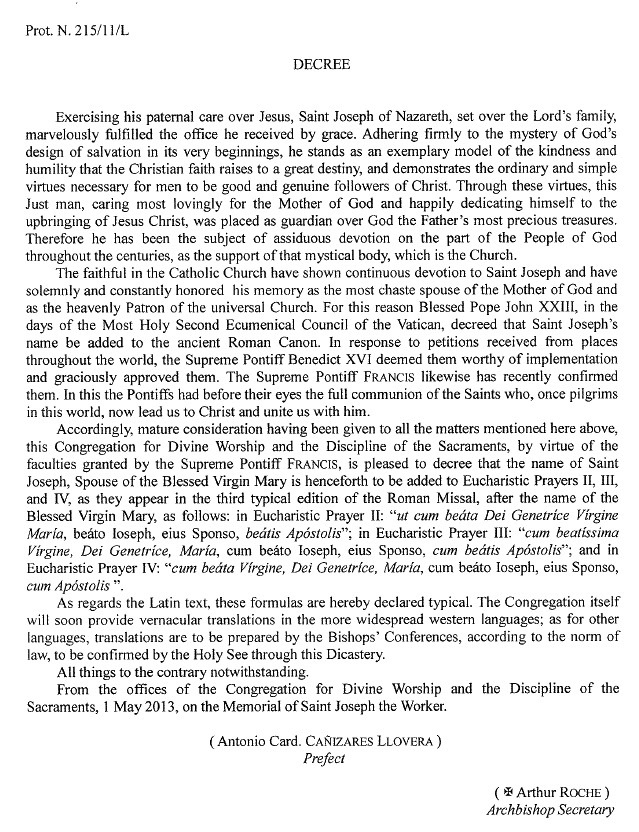
5/1/2013: Paternas vices by the Congregation for Divine Worship
Decree: On Adding the Name of St. Joseph to Eucharistic Prayers II, III, and IV

Holy Orders

?/?/1074: Decree on Simony and Celibacy by Council of Rome

11/30/1947: Sacramentum Ordinis by Ven. Pope Pius XII
Apostolic Constitution: On the Sacrament of Order


2/2/1961: Religiosorum Institutio by the Sacred Congregation for Religious
Instruction: On the Careful Selection and Training of Candidates for the States of Perfection and Sacred Orders


6/18/1967: Sacrum Diaconatus Ordinem by Pope Paul VI
Motu Proprio: General Norms for Restoring the Permanent Diaconate in the Latin Church

6/24/1967: Sacerdotalis Caelibatus by Pope Paul VI
Encyclical: On the Celibacy of the Priest


6/18/1968: Pontificalis Romani Recognitio by Pope Paul VI
Apostolic Constitution: Approving New Rites of Ordination of Deacons, Priests, and Bishops

8/15/1972: Ministeria Quaedam by Pope Paul VI
Motu Proprio: On First Tonsure, Minor Orders, and the Subdiaconate

10/15/1976: Inter Insigniores by the Sacred Congregation for the Doctrine of the Faith
Declaration: On the Question of Admission of Women to the Ministerial Priesthood

5/22/1994: Ordinatio Sacerdotalis by Pope Bl. John Paul II
Apostolic Letter: On Reserving Priestly Ordination to Men Alone

2/22/1998: Directorium Pro Ministerio et Vita Diaconorum Permanentium by the Conregation for the Clergy
Directory: For the Ministry and Life of Permanent Deacons


11/4/2005: Instruction Concerning the Criteria for the Discernment of Vocations with Regard to Persons of Homosexual Tendencies in View of Their Admission to the Seminary and to Holy Orders by the Congregation for Catholic Education

6/28/2008: Guidelines for the Use of Psychology in the Admission and Formation of Candidates for the Priesthood by the Congregation for Catholic Education

Marriage/Matrimony

5/27/1832: Summo Iugiter Studio by Pope Gregory XVI
Encyclical: On Mixed Marriages

2/10/1880: Arcanum by Pope Leo XIII
Encyclical: On Christian Marriage

12/24/1902: Dum multa by Pope Leo XIII
Encyclical: On Marriage Legislation

8/10/1907: Ne Temere by the Sacred Congregation of the Council
Decree: Concerning Betrothal and Marriage

12/31/1930: Casti Connubii by Pope Pius XI
Encyclical: On Christian Marriage

10/1/1970: Matrimonia Mixta by Pope Paul VI
Motu Proprio: On Mixed Marriages

3/28/1971: Causas Matrimoniales by Pope Paul VI
Motu Proprio: Determining Norms for Expediting Marriage Cases


9/4/1994: Annus Internationalis Familiae by the Congregation for the Doctrine of the Faith
Letter: Concerning the Reception of Holy Communion by the Divorced and Remarried Members of the Faithful


4/30/2001: Norms on the Preparation of the Process for the Dissolution of the Marriage Bond in Favour of the Faith by the Congregation for the Doctrine of the Faith


6/3/2003: Considerations Regarding Proposals to Give Legal Recognition to Unions Between Homosexual Persons by the Congregation for the Doctrine of the Faith